


 Play Audiobook Sample
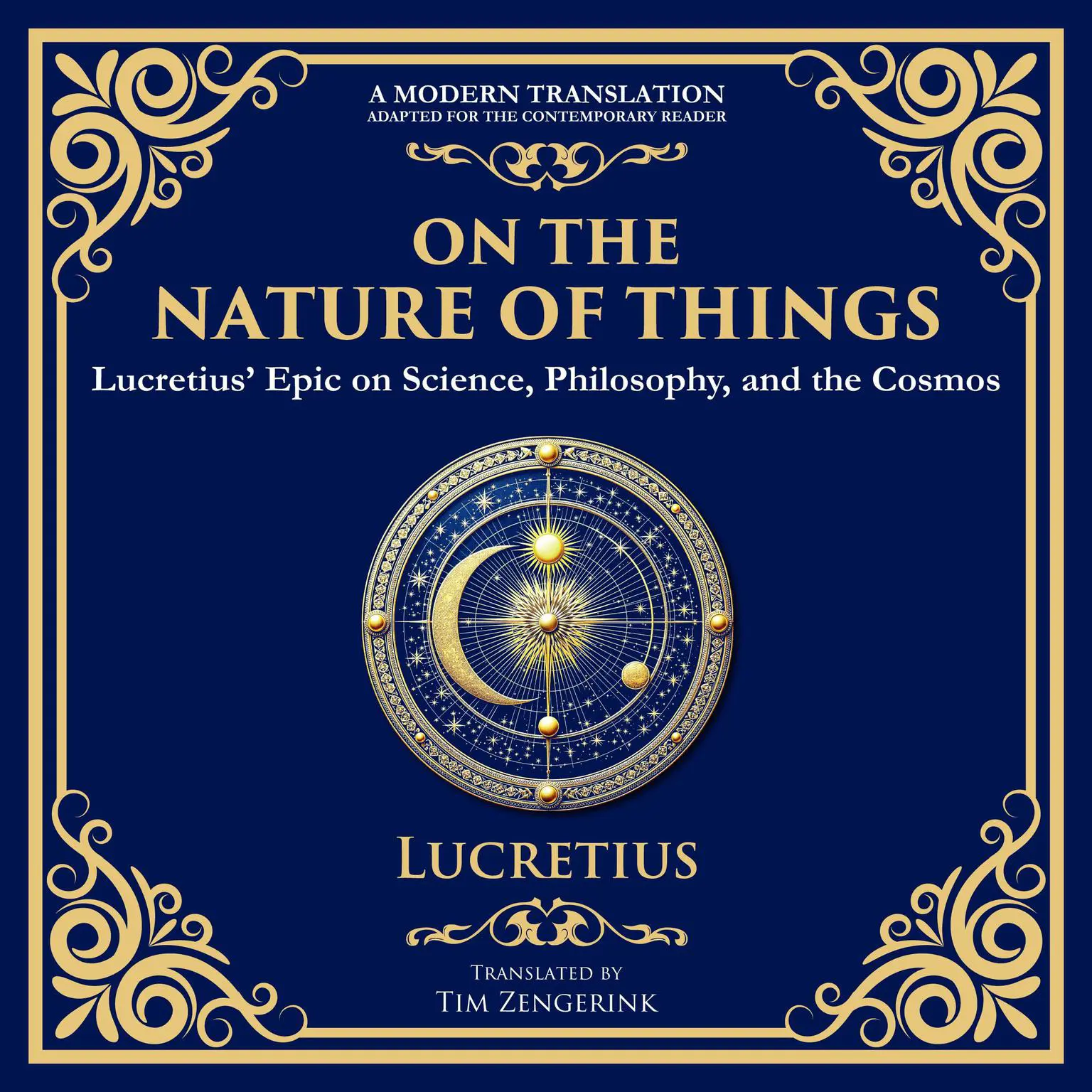
On the Nature of Things: Lucretius’ Epic on Science, Philosophy, and the Cosmos - A Modern Translation - Adapted for the Contemporary Reader Audiobook
Play Audiobook Sample
 (0.00) - 0 listener ratings
Quick Stats About this Audiobook
Total Audiobook Chapters:
Longest Chapter Length:
Shortest Chapter Length:
Average Chapter Length:
Audiobooks by this Author:







Publisher Description
What if you could uncover the secrets of the universe, explore the foundations of science and philosophy, and gain a deeper understanding of the natural world?
On the Nature of Things: Lucretius’ Epic on Science, Philosophy, and the Cosmos brings you Lucretius’ timeless masterpiece, thoughtfully adapted for today’s listeners.
Written in poetic form over two thousand years ago, On the Nature of Things explores the natural world, human existence, and the cosmos. Drawing on Epicurean philosophy, Lucretius addresses atomism, the nature of the soul, the origins of life, and the universe’s infinite expanse, blending philosophy and early science into a monumental work.
This isn’t just an ancient poem—it’s a transformative guide to understanding the world through reason and observation. Whether you’re fascinated by philosophy, science, or the mysteries of existence, Lucretius’ insights provide an inspiring and thought-provoking journey through the laws of nature and the human condition.
What You’ll Discover:
- The Foundations of Science and Philosophy: Explore early ideas of atomism, physics, and the cosmos that shaped scientific thought.
- Life, Death, and the Human Experience: Reflect on the soul, mortality, and living free from fear and superstition.
- The Beauty of the Natural World: Appreciate nature’s wonders, the origins of life, and the interconnectedness of all things.
- Modernized for Today’s Listeners: Experience Lucretius’ brilliance in clear, accessible language while preserving its poetic depth.
Lucretius’ On the Nature of Things is a testament to the pursuit of knowledge through reason, challenging us to see the universe as it is while inspiring awe for the natural world and our place within it.
Imagine exploring timeless ideas about existence, science, and the cosmos—ideas that remain strikingly relevant today.
Download your copy and embark on a journey with Lucretius’ masterpiece.
Download and start listening now!
On the Nature of Things Listener Reviews
Be the first to write a review about this audiobook!
About the Authors
Julius Caesar (100 BC–44 BC) was a military general and leading politician in the Roman republic. His family, the Julii, claimed descent from the ancient kings of Rome and from the goddess Venus. Caesar rapidly carved out an impressive political career, forging an alliance with Pompey and Crassus in 60 BC. The Civil War is Caesar’s attempt at an explanation of the war that changed the Roman world.
Titus Lucretius Carus was a Roman poet and philosopher during the first century. His only known work is On the Nature of Things, an epic poem about the beliefs of Epicureanism.