


 Play Audiobook Sample
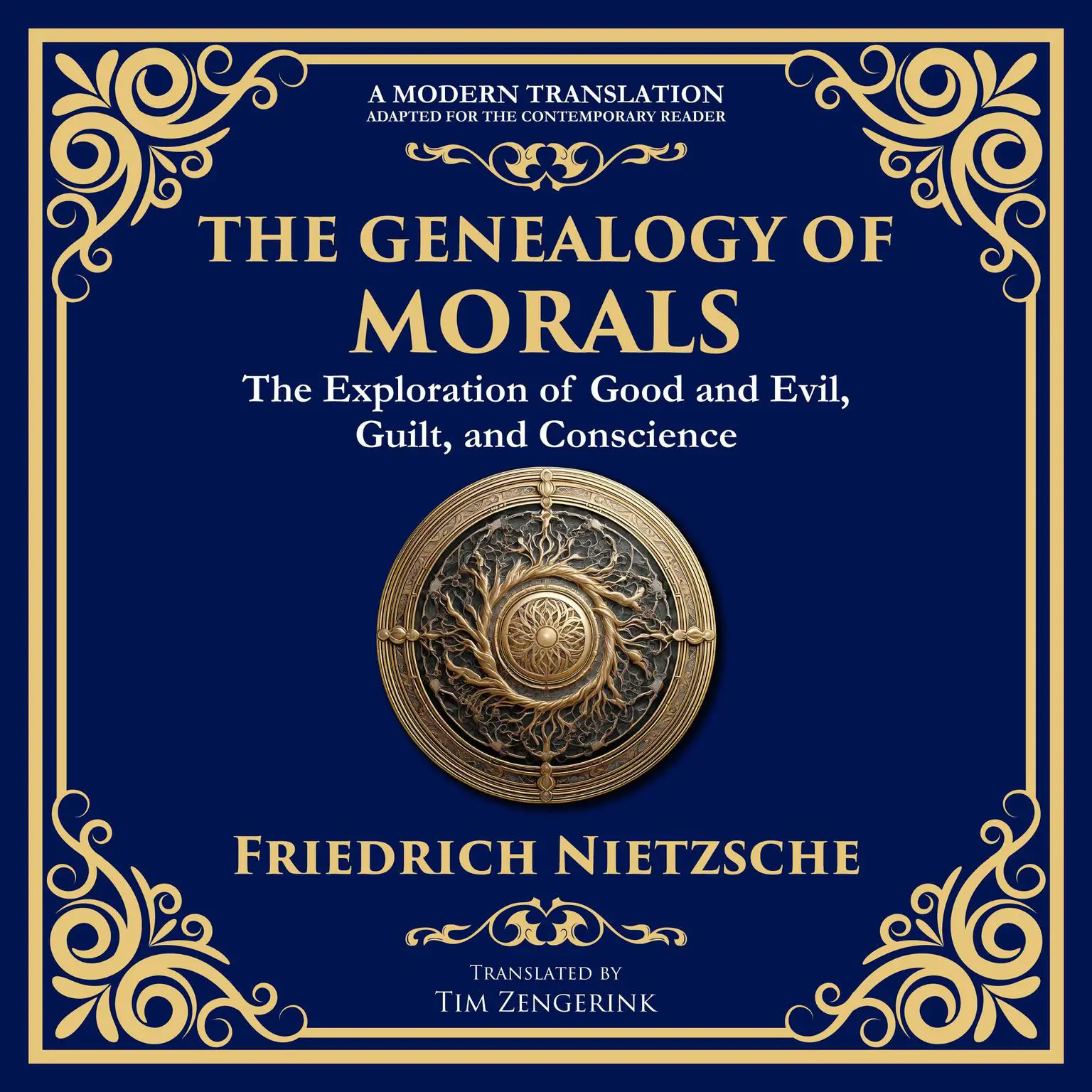
The Genealogy of Morals: Understanding Ethics, Power, and Human Nature Audiobook
Play Audiobook Sample
 (0.00) - 0 listener ratings
Quick Stats About this Audiobook
Total Audiobook Chapters:
Longest Chapter Length:
Shortest Chapter Length:
Average Chapter Length:
Audiobooks by this Author:






Publisher Description
What defines “good” and “evil”? Where do our moral values come from? How do power and societal structures shape our view of the world?
The Genealogy of Morals is Nietzsche’s groundbreaking analysis of morality’s origins and evolution. This modern translation offers a clearer path to understanding his profound insights, making them more accessible for real-world application.
More than a critique of traditional ethics, The Genealogy of Morals explores human nature, power dynamics, and the social forces that influence our values. Nietzsche encourages us to challenge long-held assumptions and embrace intellectual courage.
What You’ll Discover:
- Origins of Morality – See how historical and cultural forces have shaped our notions of right and wrong.
- Power and Human Nature – Understand how power dynamics affect society and learn to navigate them personally and professionally.
- Question Conventional Thinking – Free yourself from restrictive norms and expand your perspective.
- Philosophy for Modern Challenges – Apply Nietzsche’s ideas to inform decisions, overcome obstacles, and inspire personal growth.
Imagine gaining the clarity to question societal expectations, the courage to challenge outdated beliefs, and the insight to discover your true self. The Genealogy of Morals has inspired generations of thinkers—now it’s your turn.
Begin your journey into morality, power, and freedom. Get your copy today and unlock the transformative wisdom that could forever change your perspective on the world.
Download and start listening now!
The Genealogy of Morals Listener Reviews
Be the first to write a review about this audiobook!
About the Authors
Friedrich Nietzsche (1844–1900) was a nineteenth-century German-born philosopher and classical philologist. He wrote critical texts on religion, morality, contemporary culture, philosophy, and science, using a distinctive German language style. In 1889 he exhibited symptoms of insanity and lived his remaining years in the care of his mother and sister. His ideas exercised a major influence on several prominent European philosophers, including Martin Heidegger, Albert Camus, and Jean-Paul Sartre.
Julius Caesar (100 BC–44 BC) was a military general and leading politician in the Roman republic. His family, the Julii, claimed descent from the ancient kings of Rome and from the goddess Venus. Caesar rapidly carved out an impressive political career, forging an alliance with Pompey and Crassus in 60 BC. The Civil War is Caesar’s attempt at an explanation of the war that changed the Roman world.
About Zeek Ring
James Allen (1864–1912) was a philosophical writer born in Leicester, England. He wrote numerous spiritual and inspirational books, including From Passion to Peace and The Eight Pillars of Prosperity. He is considered a pioneer of the self-help movement. His best-known work, As a Man Thinketh, has been in print since its publication in 1902.