


 Play Audiobook Sample
The Eclogues Audiobook
Play Audiobook Sample
 (0.00) - 0 listener ratings
Quick Stats About this Audiobook
Total Audiobook Chapters:
Longest Chapter Length:
Shortest Chapter Length:
Average Chapter Length:
Audiobooks by this Author:


Publisher Description
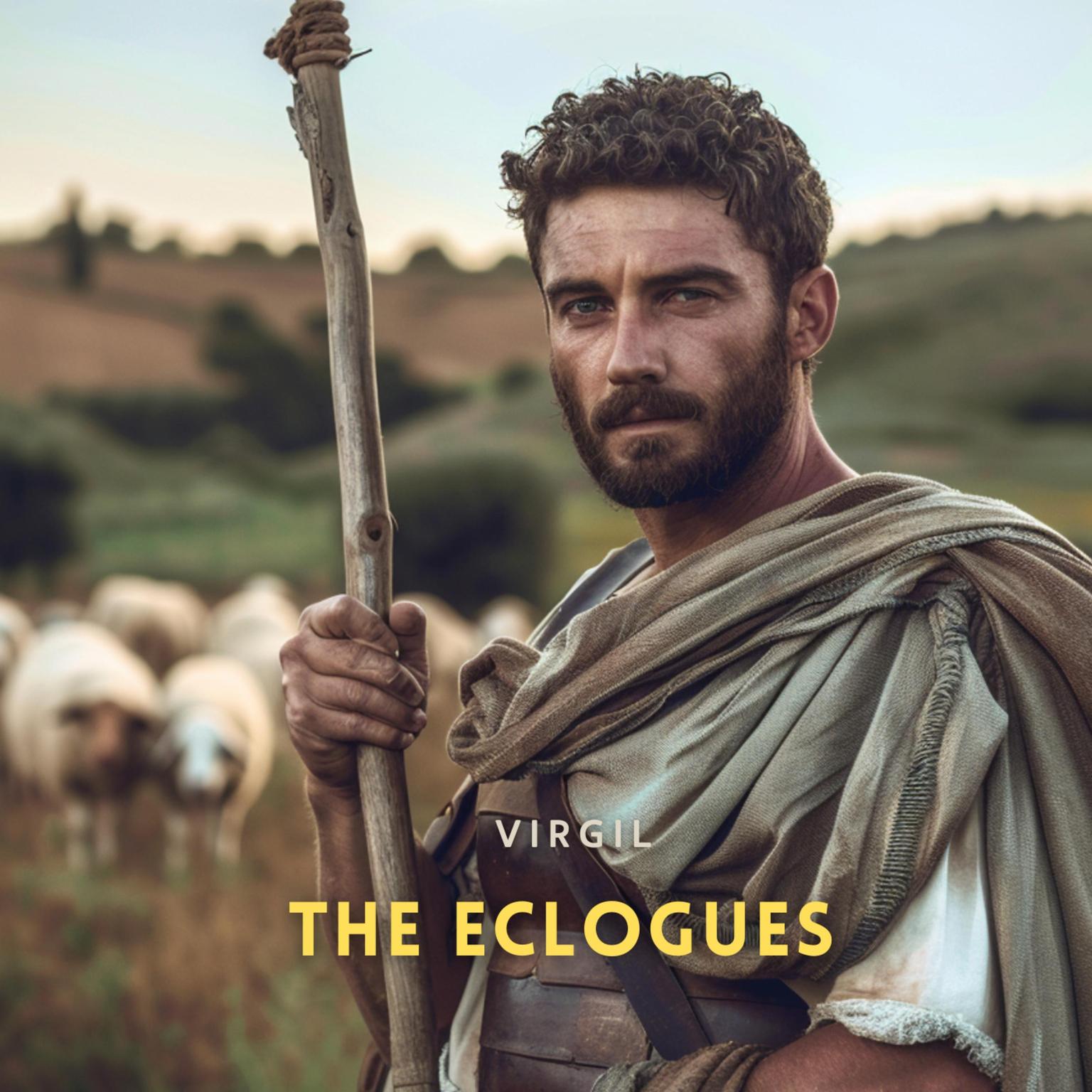
Virgil’s Eclogues (also known as Bucolics) is a collection of ten pastoral poems that idealize rural life in the Italian countryside. Written in the tradition of Greek bucolic poetry, particularly inspired by Theocritus, the Eclogues depict shepherds singing, competing in poetic contests, and lamenting lost love and displacement. Set against the backdrop of civil unrest and land confiscations in 1st-century BCE Rome, the poems blend idyllic imagery with subtle political commentary. Figures of hope, such as the prophesied birth of a divine child in the Fourth Eclogue, reflect contemporary longing for peace and renewal. Through lush language and elegant form, Virgil explores themes of love, loss, nature’s beauty, and the contrast between urban turmoil and rural harmony. The Eclogues established the pastoral tradition in Western literature, influencing poets for centuries with their lyrical grace and emotional depth.
Download and start listening now!
The Eclogues Listener Reviews
Be the first to write a review about this audiobook!
About Virgil
Publius Vergilius Maro (70 BC–19 BC), usually called Virgil or Vergil in English, was a Roman poet of the Augustan period. He is known for three major works of Latin literature, the Eclogues (or Bucolics), the Georgics, and the epic Aeneid. He is traditionally ranked as one of Rome’s greatest poets. His Aeneid has been considered the national epic of ancient Rome from the time of its composition to the present day. He was born in a small village near Mantua in northern Italy and attended school at Cremona, Milan, and Rome, where he studied mathematics, medicine, and rhetoric. He devoted his life, from 30 to 19 BC, to the composition of The Aeneid, the national epic of Rome.