


 Play Audiobook Sample
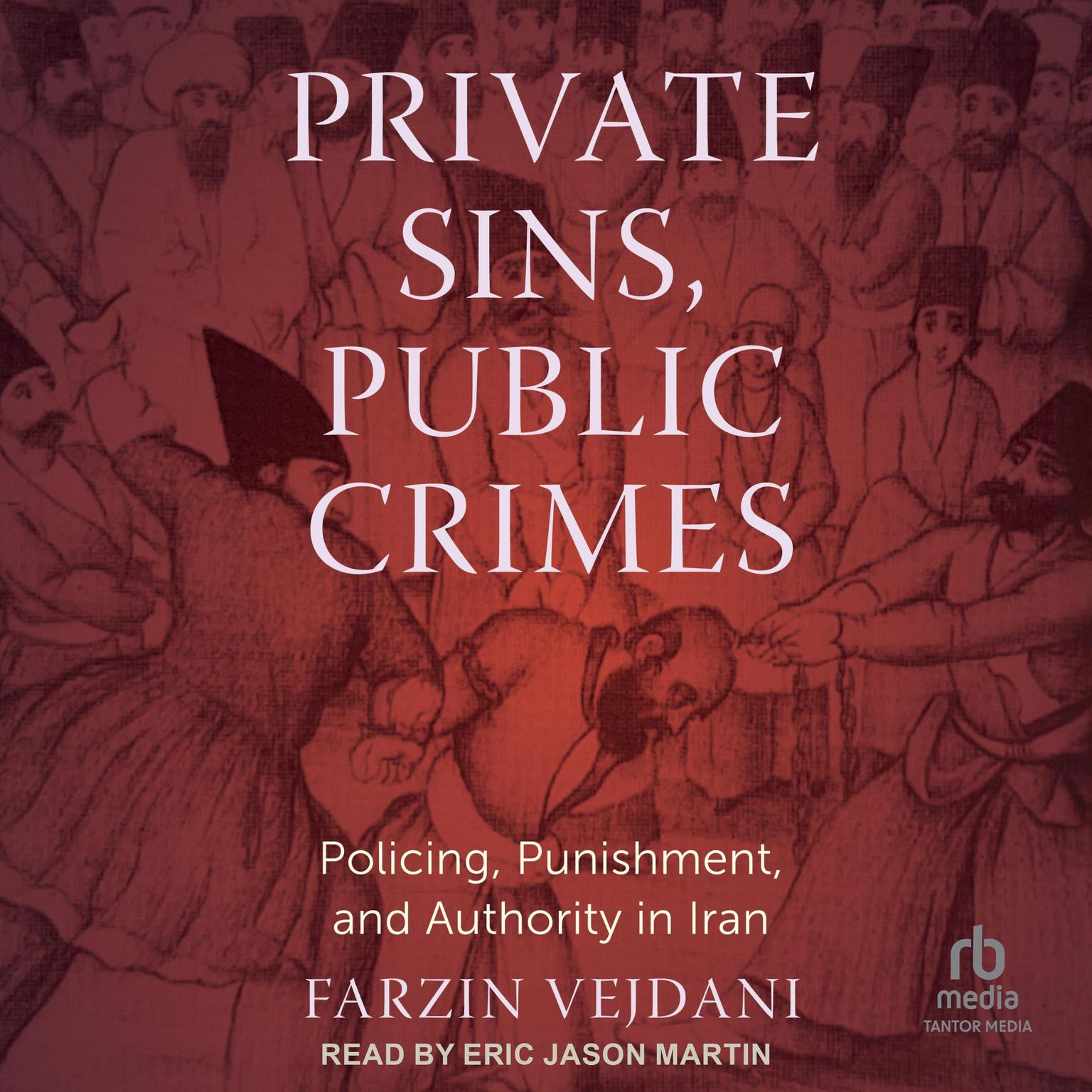
Private Sins, Public Crimes: Policing, Punishment, and Authority in Iran Audiobook
Play Audiobook Sample
 (0.00) - 0 listener ratings
Quick Stats About this Audiobook
Total Audiobook Chapters:
Longest Chapter Length:
Shortest Chapter Length:
Average Chapter Length:
Audiobooks by this Author:
Publisher Description
Drawing on an array of primary sources in multiple languages, Farzin Vejdani argues that the ambiguity in defining the boundaries between private and public in Qajar Iran often corresponded with the jurisdictional friction between government authorities and religious scholars regarding who had the authority to police and punish public crimes. This ambiguity had implications for the spaces in which illicit acts were carried out: "private" parties in domestic residences where music, alcohol, and prostitution were present were often tolerated by local police officials but raised the ire of religious authorities and their followers, who raided these residences, ironically in violation of strong Islamic norms of privacy.
Crimes that were manifest but remained unpunished triggered a crisis of legitimacy that often coincided with upstart Islamic religious scholars challenging the state's authority. Even when the government had every intention of punishing a crime, convicted criminals sought shelter in sanctuaries—including shrines, mosques, royal stables, and telegraph offices—which were even more inviolable than private residences. This inviolability, grounded in both Islamic prohibitions of violence on sacred grounds and Iranian imperial traditions of redress, allowed criminals to negotiate a lesser sentence, safe passage for voluntary exile, or forgiveness.
Download and start listening now!
Private Sins, Public Crimes Listener Reviews
Be the first to write a review about this audiobook!
About Eric Jason Martin
Eric Jason Martin is an Earphones Award–winning narrator. He has narrated many dozens of audiobooks in fiction and nonfiction. He is also the host and producer of the award-winning This American Wife, a popular podcast, and now web series, that features original comedy and stories, as well as interviews with authors such as Robert Greene and Amy Tan.