


 Play Audiobook Sample
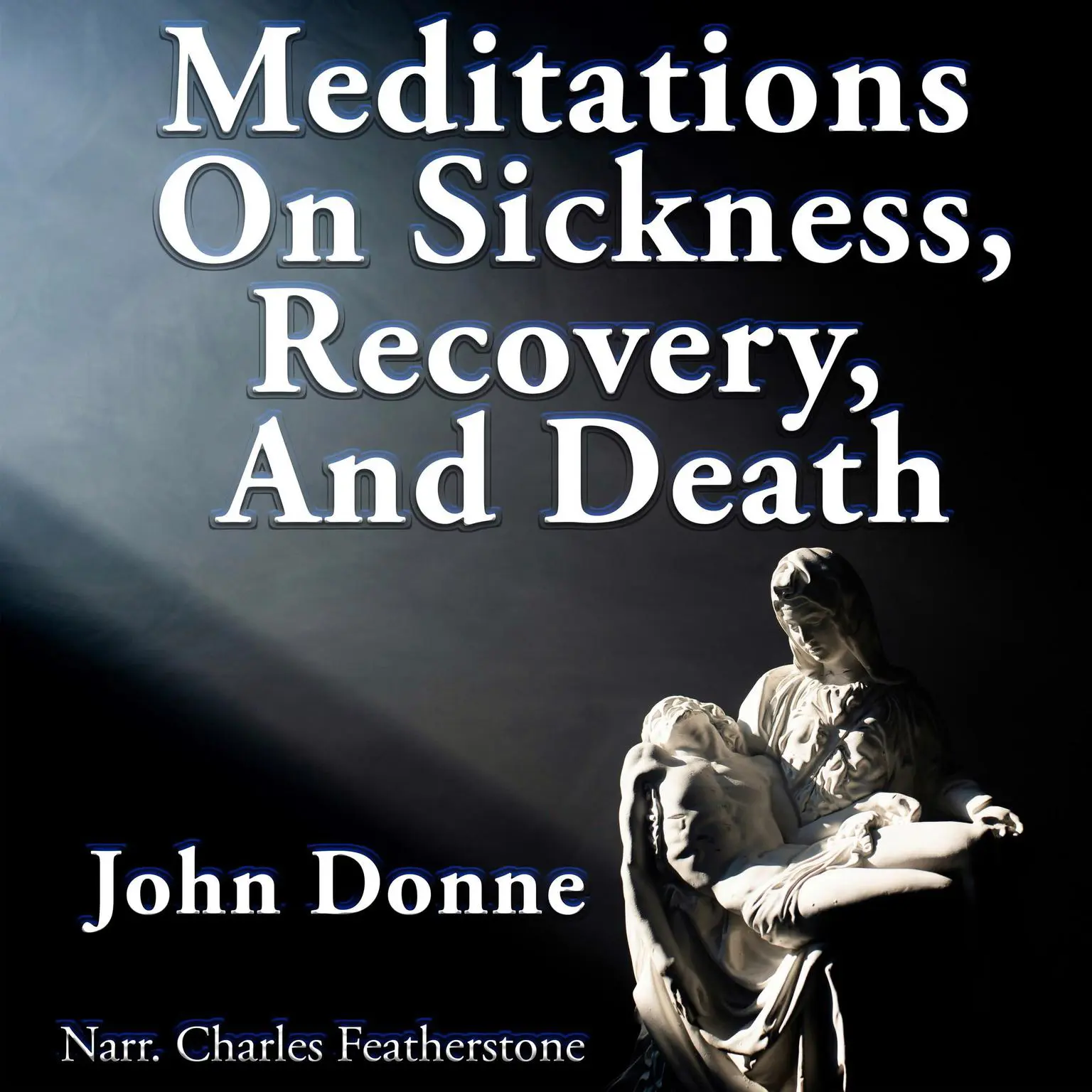
Meditations On Sickness, Recovery & Death: The meditations from Devotions Upon Emergent Occasions & his self-delivered funeral sermon, Death's Duel (A Consolation To The Soul Against The Dying Life And Living Death Of The Body) Audiobook
Play Audiobook Sample
 (0.00) - 0 listener ratings
Quick Stats About this Audiobook
Total Audiobook Chapters:
Longest Chapter Length:
Shortest Chapter Length:
Average Chapter Length:
Audiobooks by this Author:


Publisher Description
By 1617, Donne had done it all. After being an MP, lawyer, womaniser, soldier, diplomat, father to twelve children by a secret wife, and the greatest poet of his age, he settled into the priesthood. Shortly thereafter, his wife died, prompting him to write a defence of suicide in God's eyes. She was soon followed by his 18 year old daughter died.
Then Donne fell gravely ill. Physicians were called, but none could agree on what to do. It seemed certain that he would die.
While bedridden from illness, Donne wrote a series of meditations, including his most famous piece, Meditation 17 (No man is an island) Weaving together his rage at his infirmity with deep insight on the interconnections between sickness, faith, monarchy, and the body social and politic, these meditations are immediately accessible to anyone that has suffered serious illness.
Seven years later, he delivered his final sermon. On the first Friday in lent, 1632, he stood before Charles I at Westminster Abbey, visibly emaciated and weak, and gave a sermon filled with blood and fire and thunder, an acceptance and validation of death without any mercy or pity. The greatest and most complex lyricist of his age went as he lived, speaking words visceral and complex, subtle and profound and profane.
"The sermon is one of the most "creepy" fragments of theological literature. There is not much that we should call doctrine, no pensive or consolatory teaching, no appeal to souls in the modern sense. The effect aimed at is that of horror, of solemn preparation for the advent of death,... The Dean of St. Paul's, whose reputation for learned sanctity had scarcely sufficed to shelter him from scandal on the ground of his fantastic defence of suicide, was familiar with the idea of Death, and greeted him as a welcome old friend whose face he was glad to look on long and closely." - Edmund Gosse
Download and start listening now!
Meditations On Sickness, Recovery & Death Listener Reviews
Be the first to write a review about this audiobook!
About John Donne
John Donne (1572-1631) was an English poet, satirist, philosopher, and chaplain who is considered a founder of the Metaphysical Poets, a group of writers characterized by their ability to coax new perspective through paradoxical images, inventive syntax, and imagery from art, philosophy, and religion using an extended metaphor known as a conceit. Donne’s works are notable for their realistic and sensual style and include sonnets, love poetry, religious poems, Latin translations, epigrams, elegies, songs, satires, and sermons. He is firmly established as one of the greatest poets in the English language, strongly influencing writers of the seventeenth century. He died in 1631 and was buried at St. Paul’s Cathedral.