

 Play Audiobook Sample
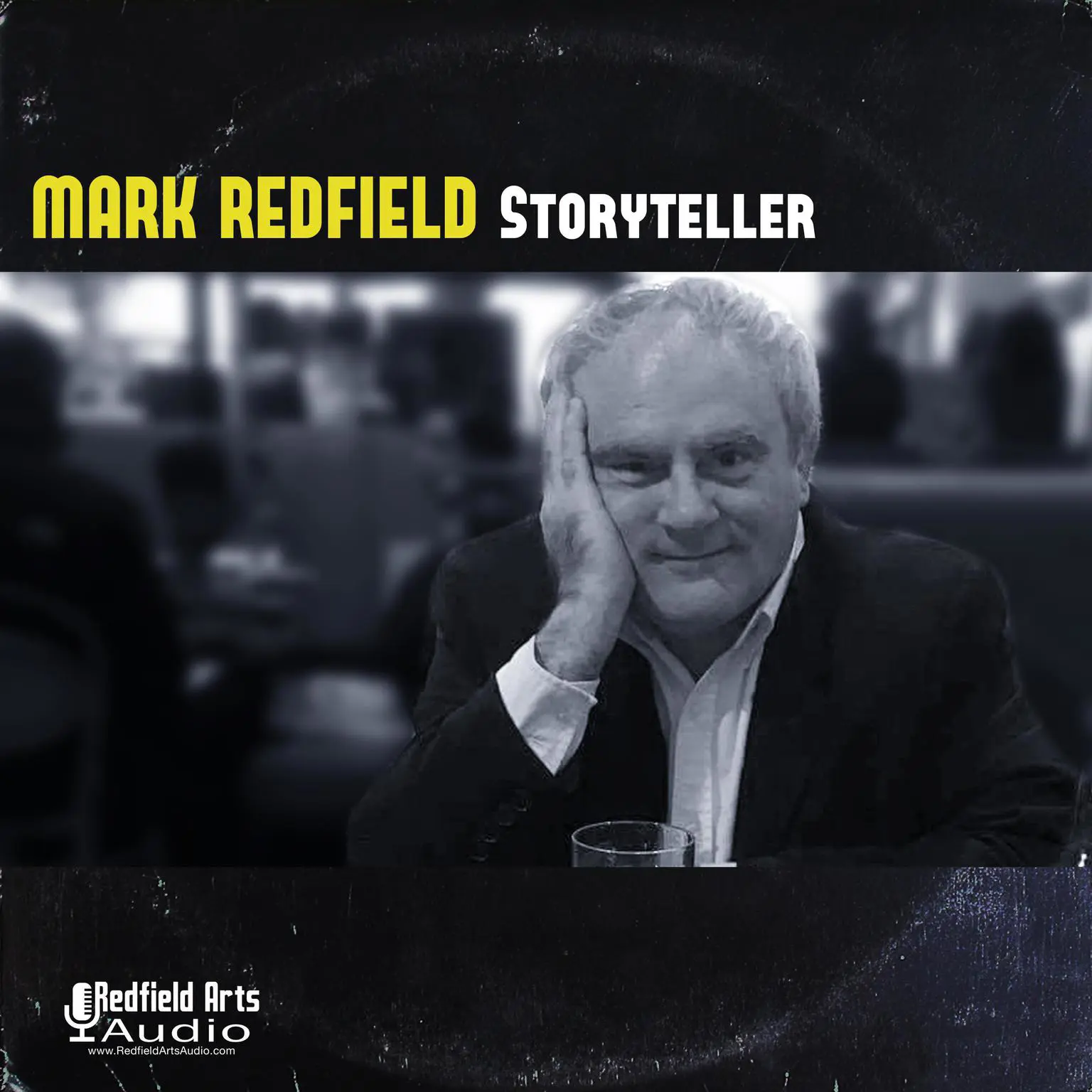
Mark Redfield Storyteller Audiobook
Play Audiobook Sample
 (0.00) - 0 listener ratings
Quick Stats About this Audiobook
Total Audiobook Chapters:
Longest Chapter Length:
Shortest Chapter Length:
Average Chapter Length:
Audiobooks by this Author:



Publisher Description
Mark Redfield performs and eclectic mix of story excerpts, poems and favorite readings of some of his favorite British and American storytellers.
CREDITS: Narrator: Mark Redfield. Audio engineers: Bill Dickson and Jennifer Rouse. Original Music by Bill Dickson and Jennifer Rouse. Recorded at Drat Productions and Seven Elms Studio, Baltimore. Album photography: Tami Hamalian.
Download and start listening now!
Mark Redfield Storyteller Listener Reviews
Be the first to write a review about this audiobook!
About the Authors
Lewis Carroll was the pen name of Charles Lutwidge Dodgson (1832–1898), English author, mathematician, and photographer. One of eleven children of a scholarly country parson, he studied mathematics at Oxford, obtained a university post, and then was ordained as a deacon but found true success with his masterpiece, Alice’s Adventures Under Ground, now known as Alice’s Adventures in Wonderland, which originated as a story told to a young friend, Alice Liddell, during a boating trip on the Thames. Among his other works are Through the Looking-Glass, and What Alice Found There, The Hunting of the Snark, and Jabberwocky.
Rudyard Kipling (1865–1936) was born of English parents in Bombay, India. At seventeen, he began work as a journalist and over the next seven years established an international reputation with his stories and verses of Indian and army life, including such classics as The Jungle Book and Kim. In 1907 he became the first English writer to receive the Nobel Prize.
Charles Dickens (1812–1870) was born in Landport, Portsmouth, England, the second of eight children in a family continually plagued by debt. A legacy brought release from the nightmare of debtors’ prison and child labor and afforded him a few years of formal schooling. He worked as an attorney’s clerk and newspaper reporter until his early writings brought him the amazing success that was to be his for the remainder of his life. He was the most popular English novelist of the Victorian era, and he remains popular, responsible for some of English literature’s most iconic characters.
Mark Twain (1835–1910) was born Samuel L. Clemens in the town of Florida, Missouri. He is one of the most popular and influential authors our nation has ever produced, and his keen wit and incisive satire earned him praise from both critics and peers. He has been called not only the greatest humorist of his age but also the father of American literature.
William Shakespeare (1564–1616), English poet and dramatist of the Elizabethan and early Jacobean period, is the most widely known author in all of English literature and often considered the greatest. He was an active member of a theater company for at least twenty years, during which time he wrote many great plays. Plays were not prized as literature at the time and Shakespeare was not widely read until the middle of the eighteenth century, when a great upsurge of interest in his works began that continues today.
Edgar Allan Poe (1809–1848) transformed the American literary landscape with his innovations in the short story genre and his haunting lyrical poetry, and he is credited with inventing American gothic horror and detective fiction. He was first published in 1827 and then began a career as a magazine writer and editor and a sharp literary critic. In 1845 the publication of his most famous poem, “The Raven,” brought him national fame.