


 Play Audiobook Sample
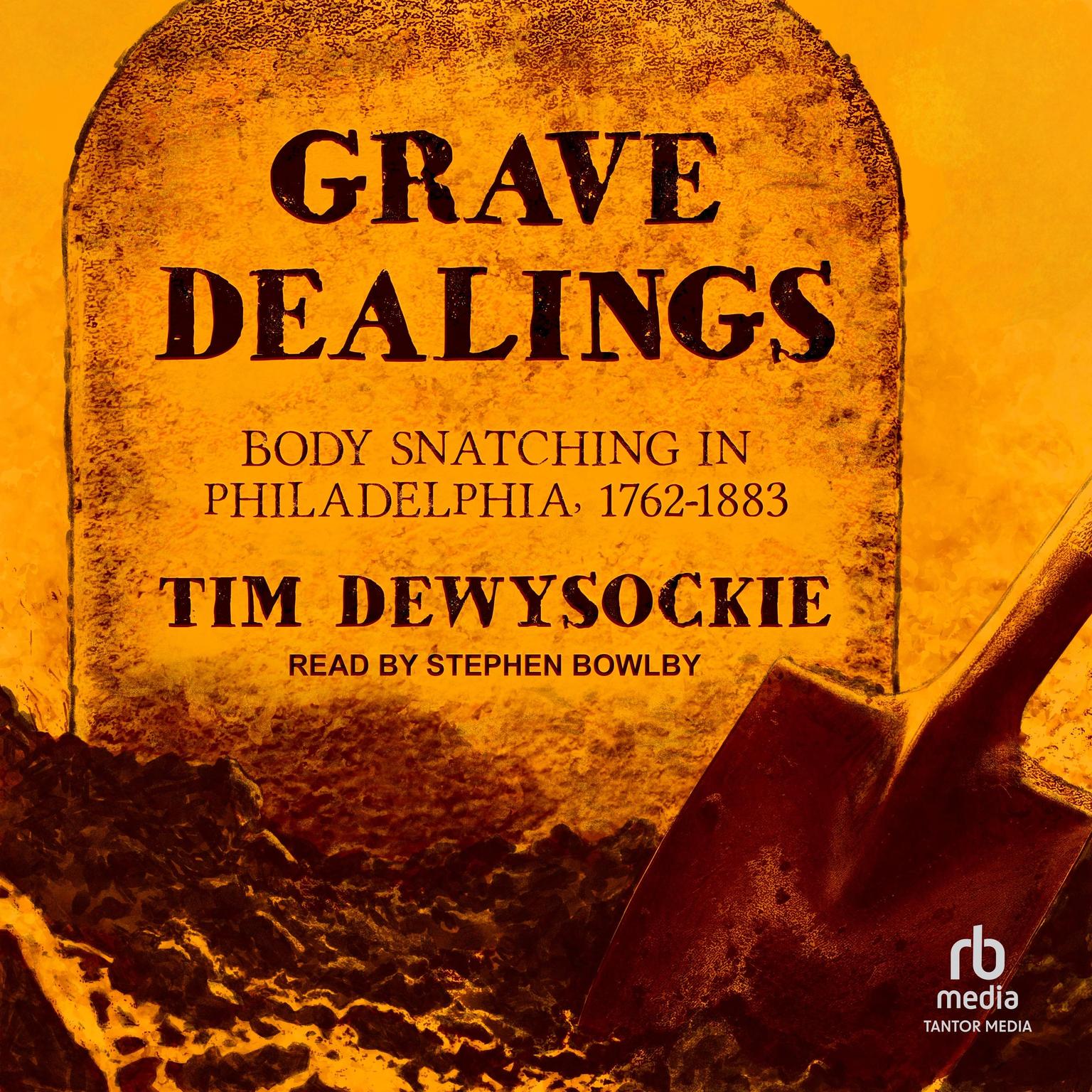
Grave Dealings: Body Snatching in Philadelphia, 1762–1883 Audiobook
Play Audiobook Sample
 (0.00) - 0 listener ratings
Quick Stats About this Audiobook
Total Audiobook Chapters:
Longest Chapter Length:
Shortest Chapter Length:
Average Chapter Length:
Audiobooks by this Author:
Publisher Description
In the eighteenth century the first American medical school was established in Philadelphia. Following the model of European universities, anatomical lectures were conducted with cadavers. But where did the bodies come from? Dissection was viewed as a fate worse than death, and the only legal source of "stiffs" was executed criminals. But there were not enough. As the medical profession and its need for "anatomical material" grew, a new, macabre practice emerged: body snatching.
Body snatchers secretly obtained bodies from cemeteries and sold them to medical schools for dissection. But how did body snatching work? How did body snatchers and medical schools avoid getting caught, and what happened when they did? How did the era of the body snatchers end? Grave Dealings: Body Snatching In Philadelphia, 1762-1883 digs through archives to unearth the forgotten history of a time of graveyard patrols and anatomy riots, when the dead needed protection from the living. Philadelphia pioneered and became the center of American medical education and practice–and body snatching–in the eighteenth and nineteenth centuries.
Grave Dealings explores the social, cultural, practical, and legal aspects of body snatching in America's first capital city and relates it to the continuing ethical struggles that surround the treatment of human remains to this day.
Download and start listening now!
Grave Dealings Listener Reviews
Be the first to write a review about this audiobook!
About Stephen Bowlby
Stephen Bowlby has worked as a professional voice actor for more than forty years. His experience spans animation, character work, commercials, and narration. He has read numerous audiobooks throughout his career, including titles by Harold Robbins, Stuart M. Kaminsky, John Sculley, William P. McGivern, and Starbucks CEO Howard Schultz.