


 Play Audiobook Sample
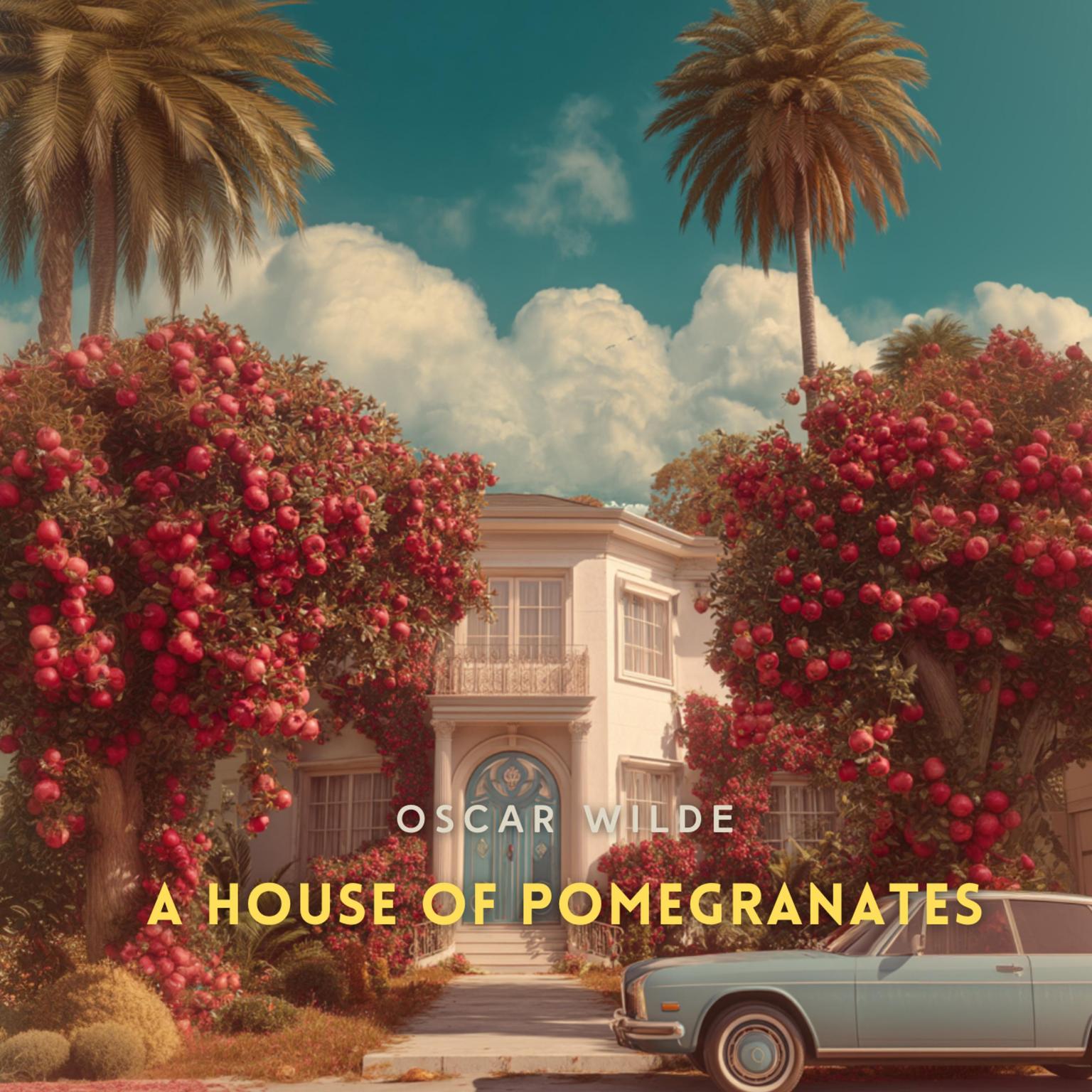
A House of Pomegranates Audiobook
Play Audiobook Sample
 (0.00) - 0 listener ratings
Quick Stats About this Audiobook
Total Audiobook Chapters:
Longest Chapter Length:
Shortest Chapter Length:
Average Chapter Length:
Audiobooks by this Author:


Publisher Description
A House of Pomegranates is Oscar Wilde’s collection of lush, decadent fairy tales marked by rich symbolism, moral ambiguity, and aesthetic splendor. Unlike traditional children’s stories, these tales—such as “The Young King,” “The Birthday of the Infanta,” and “The Fisherman and His Soul”—explore themes of sacrifice, beauty, suffering, and the conflict between art and morality. Wilde weaves intricate, poetic prose to critique societal norms while celebrating imagination and emotional depth. Intended “for children of all ages,” the stories reveal his signature wit and philosophical complexity, offering haunting reflections on love, power, and redemption through a veil of enchantment.
Download and start listening now!
A House of Pomegranates Listener Reviews
Be the first to write a review about this audiobook!
About Oscar Wilde
Oscar Wilde (1854–1900) was born in Dublin. He won scholarships to both Trinity College, Dublin, and Magdalen College, Oxford. In 1875, he began publishing poetry in literary magazines, and in 1878, he won the coveted Newdigate Prize for English poetry. He had a reputation as a flamboyant wit and man-about-town. After his marriage to Constance Lloyd in 1884, he tried to establish himself as a writer, but with little initial success. However, his three volumes of short fiction, The Happy Prince, Lord Arthur Savile’s Crime, and A House of Pomegranates, together with his only novel, The Picture of Dorian Gray, gradually won him a reputation as a modern writer with an original talent. That reputation was confirmed and enhanced by the phenomenal success of his society comedies: Lady Windermere’s Fan, A Woman of No Importance, An Ideal Husband, and The Importance of Being Earnest, all performed on London’s West End stage between 1892 and 1895. In 1895, he was convicted of engaging in homosexual acts, which were then illegal, and sentenced to two years imprisonment with hard labor. He soon declared bankruptcy, and his property was auctioned off. In 1896, he lost legal custody of his children. When his mother died that same year, his wife Constance visited him at the jail to bring him the news. It was the last time they saw each other. In the years after his release, his health deteriorated. In November 1900, he died in Paris at the age of forty-six.